Table of Contents
A Deep Dive into the History of The New Yorker Festival
The history of The New Yorker Festival began in 1999 when The New Yorker magazine launched the event to connect its writers and readers through live discussions. It started as a small cultural gathering in New York City with panels, readings, and interviews featuring well-known voices in literature and journalism. Over time, it expanded to include artists, filmmakers, and political figures, becoming one of the most respected festivals that celebrate storytelling, ideas, and creativity in American culture.
How The New Yorker Festival Began: From Idea to Iconic Event
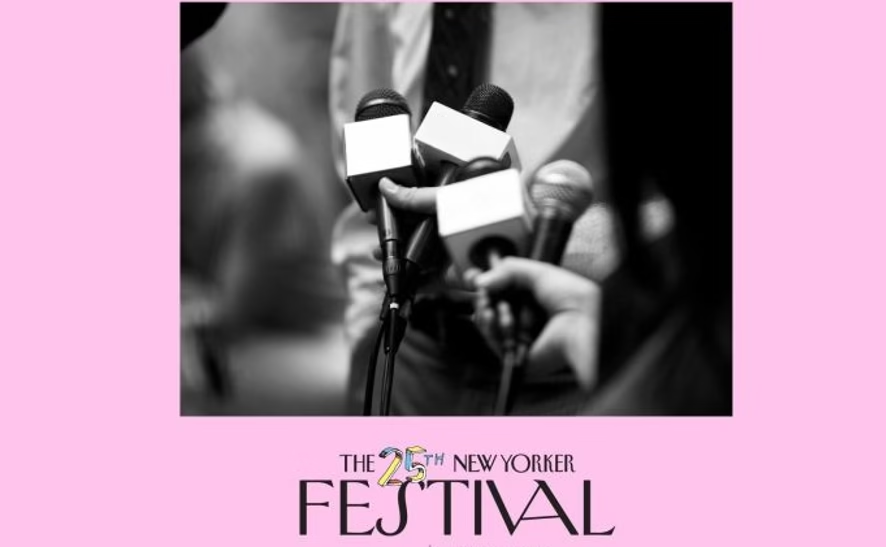
The New Yorker Festival began in 1999 as an idea to bring The New Yorker magazine’s stories and writers to life. The editors wanted to create a space where readers could meet journalists, authors, and artists in person. The first event took place in New York City with live talks, readings, and discussions. Its success quickly turned it into an annual celebration of culture, storytelling, and ideas, making it an iconic event that reflects the magazine’s creative spirit.
Who Founded The New Yorker Festival and Why It Matters Today?
The New Yorker Festival was founded by the editors of The New Yorker magazine in 1999. They wanted to create a live platform where writers, readers, and thinkers could share ideas beyond the pages of the magazine. It matters today because it continues to connect audiences with influential voices in culture, literature, and politics. The festival keeps the magazine’s tradition of thoughtful conversation alive in a modern and interactive way.
The Evolution of The New Yorker Festival Through the Years
The New Yorker Festival has evolved from a small literary event in 1999 into a major cultural gathering. In its early years, it focused on writers and journalists from the magazine. Over time, it expanded to include filmmakers, musicians, comedians, and political figures. The festival also adapted to digital formats, offering virtual sessions to reach global audiences. Its growth reflects how The New Yorker continues to shape modern discussions on art, ideas, and society.
Milestones That Shaped the Legacy of The New Yorker Festival

Key milestones in the history of The New Yorker Festival include its launch in 1999, which marked the magazine’s first step into live events. In the 2000s, it expanded to feature top writers, filmmakers, and public figures. The festival introduced film screenings, musical performances, and virtual sessions in later years. Each stage strengthened its reputation as a leading cultural event that connects audiences with influential voices from literature, art, and politics.
How Has The New Yorker Festival Changed Since Its Early Days?
The New Yorker Festival has changed a lot since its early days in 1999. It started as a small gathering focused on magazine writers and panels. Over time, it added filmmakers, musicians, comedians, and political figures. The festival also began offering virtual events to reach audiences worldwide. These changes made it a larger, more diverse, and influential cultural event.
The People Behind The New Yorker Festival’s Success Story
The people behind The New Yorker Festival’s success include the magazine’s editors, event organizers, and curators. Writers, journalists, and artists also play a key role by sharing their work on stage. Over the years, speakers from film, music, and politics have added value to the festival. Together, these individuals create engaging programs that attract audiences and maintain the festival’s reputation as a premier cultural event.
When Was The First New Yorker Festival Held?

The first New Yorker Festival was held in 1999 in New York City. It featured writers, journalists, and artists from the magazine. The event included panels, interviews, and readings for a live audience. This launch marked the beginning of an annual cultural gathering that celebrates storytelling, ideas, and creativity.
What Makes The New Yorker Festival a Cultural Landmark?
The New Yorker Festival is a cultural landmark because it brings together writers, journalists, artists, and public figures in one event. It showcases ideas, storytelling, and creative work that influence culture and society. The festival features panels, interviews, and performances that attract a diverse audience. Its long history and consistent quality make it a respected and influential event in American culture.
Exploring the Connection Between The New Yorker Magazine and Its Festival
The New Yorker Festival connects closely with The New Yorker magazine by bringing its stories and writers to a live audience. The festival features journalists, authors, and artists who contribute to the magazine. Panels, interviews, and readings reflect the magazine’s focus on culture, politics, and literature. This connection helps the festival extend the magazine’s influence beyond print and engage audiences in meaningful conversations.
Major Moments in the History of The New Yorker Festival
Major moments in the history of The New Yorker Festival include its launch in 1999 and its quick rise as a top cultural event. In the 2000s, it featured notable guests like Malcolm Gladwell and Steve Martin. The festival later added film screenings, musical acts, and global speakers. During the pandemic, it introduced virtual sessions to reach wider audiences. Each milestone strengthened its role as a leading platform for ideas and creativity.
How The New Yorker Festival Became a Hub for Writers and Thinkers

The New Yorker Festival became a hub for writers and thinkers by creating a space for open discussion and creative exchange. It brings together authors, journalists, and artists who share ideas through interviews, readings, and panels. The event encourages deep conversations on literature, politics, and culture. Its strong connection to The New Yorker magazine attracts top voices and keeps the festival a center for thoughtful dialogue.
The Growth of The New Yorker Festival in the Digital Age
The growth of The New Yorker Festival in the digital age shows how it adapted to new technology and audiences. The festival introduced online streaming and virtual sessions to reach people worldwide. It used social media to share highlights and connect with viewers in real time. These digital changes helped the festival expand its influence and stay relevant in a fast-changing media landscape.
Behind the Scenes: Organizing The New Yorker Festival Over the Decades
Organizing The New Yorker Festival involves careful planning by editors, event teams, and producers. Each year they select speakers, manage schedules, and coordinate venues across New York City. The team works to balance literature, art, film, and politics in the program. Over the decades, their teamwork and attention to detail have kept the festival organized, engaging, and true to The New Yorker’s creative vision.
What Role Does The New Yorker Festival Play in Modern Literature and Journalism?
The New Yorker Festival plays an important role in modern literature and journalism by bringing writers and readers together. It offers a live platform for authors and journalists to share their work and ideas. The festival highlights current trends in storytelling, reporting, and cultural criticism. Its events support thoughtful discussion and keep high-quality writing at the center of public conversation.
The Most Memorable Guests and Talks in The New Yorker Festival’s History
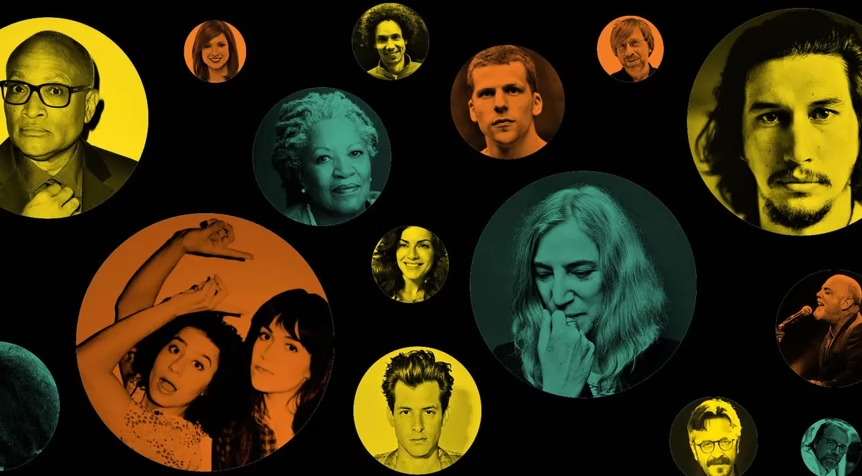
The New Yorker Festival has hosted many memorable guests and talks since its start in 1999. Famous speakers have included Malcolm Gladwell, Steve Martin, Chimamanda Ngozi Adichie, and Trevor Noah. Their discussions covered topics like creativity, politics, and storytelling. These moments drew large audiences and media attention, helping the festival build its reputation as a leading cultural and intellectual event.
Why The New Yorker Festival Continues to Influence American Culture
The New Yorker Festival continues to influence American culture by bringing powerful voices and fresh ideas to a broad audience. It highlights key issues in art, politics, and society through honest discussion. The festival inspires creativity and critical thinking while promoting high standards in writing and journalism. Its mix of culture, media, and public dialogue keeps it relevant and impactful every year.
From Print to Stage: How The New Yorker Turned Its Pages into Live Experiences

The New Yorker turned its pages into live experiences by creating a festival that brings its stories and writers to life. The event features interviews, readings, and discussions inspired by the magazine’s content. Audiences get to engage directly with authors, journalists, and artists. This live format transforms printed ideas into real conversations, making the magazine’s voice more interactive and personal.
The Future of The New Yorker Festival: What’s Next for This Cultural Giant?
The future of The New Yorker Festival looks focused on innovation and wider reach. It will likely expand its digital presence with more virtual and global events. The festival may include new voices from technology, media, and international art. Its goal will remain to connect audiences with ideas that shape culture and society. This approach will help it stay relevant and influential in the modern era.
How The History of The New Yorker Festival Reflects the Evolution of Media
The history of The New Yorker Festival reflects the evolution of media by showing how storytelling moved from print to live and digital platforms. It started with magazine writers on stage and later included films, music, and virtual events. The festival adapts to changes in technology and audience habits. This evolution shows how media now blends traditional journalism with interactive experiences to engage wider audiences.
About the Author




I learned something new today. Appreciate your work!
This post cleared up so many questions for me.
I love the clarity in your writing.
Thanks for addressing this topic—it’s so important.
Thanks for making this so reader-friendly.
Thank you for covering this so thoroughly. It helped me a lot.
You bring a fresh voice to a well-covered topic.
Such a thoughtful and well-researched piece. Thank you.
This is now one of my favorite blog posts on this subject.
Very relevant and timely content. Appreciate you sharing this.