Table of Contents
The History of Halloween: From Ancient Rituals to Modern Fun
The history of Halloween began over 2,000 years ago with the Celtic festival of Samhain. People believed that on October 31, the spirits of the dead returned to visit the living. They lit bonfires and wore costumes to keep spirits away. When Christianity spread, Samhain blended with All Saints’ Day, creating All Hallows’ Eve, later called Halloween. Over time, Halloween moved to America through Irish immigrants. It changed from a sacred festival into a night of fun with costumes, candy, and parties. Today, Halloween mixes ancient beliefs with modern entertainment.
The History of Halloween and Its Ancient Celtic Roots
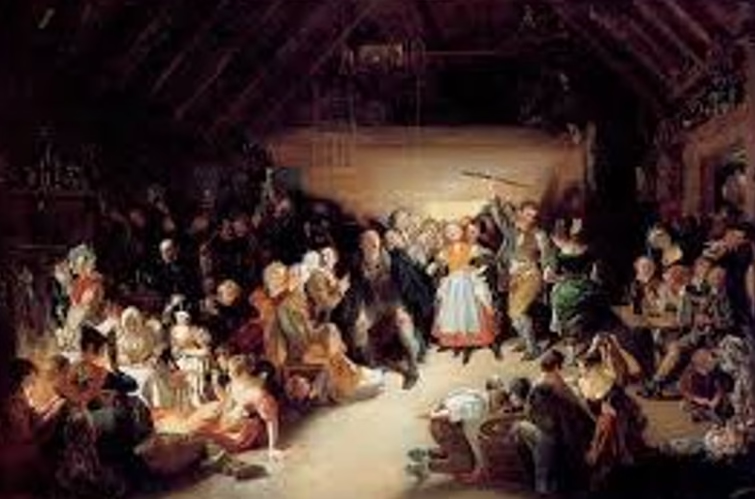
The history of Halloween began with the ancient Celtic festival of Samhain. The Celts lived in Ireland and parts of Britain over 2,000 years ago. They celebrated Samhain on October 31 to mark the end of the harvest and the start of winter. They believed the spirits of the dead returned that night. People lit bonfires and wore animal-skin costumes to scare away ghosts. These Celtic customs became the roots of many Halloween traditions we follow today.
How Did Halloween Begin in the Celtic World?
Halloween began in the Celtic world with the festival of Samhain. The Celts celebrated it on October 31 to mark the end of summer and the start of winter. They believed the boundary between the living and the dead opened that night. People made bonfires and wore disguises to protect themselves from roaming spirits. These ancient Celtic beliefs and customs later shaped what we now call Halloween.
How the History of Halloween Connects to the Festival of Samhain
The history of Halloween connects directly to the Celtic festival of Samhain. Samhain marked the end of harvest and the start of winter on October 31. The Celts believed spirits crossed into the living world that night. They lit fires and wore costumes to keep the ghosts away. When Christianity spread, Samhain traditions mixed with All Saints’ Day, forming All Hallows’ Eve, which later became Halloween.
How Did Halloween Begin in the Celtic World?
Halloween began in the Celtic world with the festival of Samhain. The Celts celebrated it on October 31 to mark the end of harvest and the start of winter. They believed spirits of the dead returned to the living world that night. People lit bonfires and wore costumes to protect themselves from ghosts. These traditions formed the foundation of modern Halloween.
How the History of Halloween Connects to the Festival of Samhain
The history of Halloween is closely linked to the Celtic festival of Samhain. Samhain was held on October 31 to mark the end of harvest and the start of winter. The Celts believed spirits returned to the living world that night. They lit bonfires and wore costumes to ward off ghosts. These customs later blended with Christian traditions, creating what is now Halloween.
What Role Did Christianity Play in the History of Halloween?
Christianity influenced the history of Halloween by blending with Celtic traditions. The Church created All Saints’ Day on November 1 to honor saints. The night before became All Hallows’ Eve, which later turned into Halloween. This change added religious meaning to the festival while keeping older Celtic customs like costumes and bonfires.
The Transformation of Pagan Traditions Into Modern Halloween
The transformation of pagan traditions into modern Halloween began with Samhain. Celts celebrated it with bonfires, costumes, and rituals to honor spirits. When Christianity spread, these customs mixed with All Hallows’ Eve. Over time, people added trick-or-treating, pumpkins, and parties. Today, Halloween combines ancient pagan practices with modern fun.
How Halloween Evolved During the Middle Ages
During the Middle Ages, Halloween evolved as people added new customs. Christians celebrated All Hallows’ Day on November 1, and the night before became All Hallows’ Eve. People went door to door asking for food in exchange for prayers for the dead, a practice called “souling.” Costumes and masks were also used to scare away spirits. These traditions helped shape the Halloween we know today.
The History of Halloween in America: A Cultural Shift
The history of Halloween in America began with Irish and Scottish immigrants in the 19th century. They brought traditions like bonfires, costumes, and “souling.” Over time, Halloween became more community-focused with parties, parades, and games. Trick-or-treating grew popular in the early 20th century. Today, Halloween in America is a cultural event with costumes, candy, and celebrations for all ages.
Why Do We Carve Pumpkins on Halloween?
We carve pumpkins on Halloween because of the Irish tradition of making “jack-o’-lanterns.” People originally used turnips or gourds to create lanterns with scary faces. They believed these lanterns would ward off evil spirits. When Irish immigrants came to America, they found pumpkins easier to carve. Today, pumpkin carving is a popular Halloween decoration and tradition.
The Origins of Trick-or-Treating Explained
Trick-or-treating originated from the medieval practice called “souling.” Poor people went door to door on All Hallows’ Eve, offering prayers for the dead in exchange for food. In Ireland and Scotland, children also went from house to house in costumes, asking for treats. When immigrants brought these customs to America, they evolved into modern trick-or-treating with candy.
The History of Halloween Costumes and Their Symbolism

The history of Halloween costumes began with Celtic and medieval traditions. People wore costumes and masks to scare away spirits during Samhain. In the Middle Ages, children dressed as saints or angels while “souling.” When Halloween reached America, costumes became more creative, including witches, ghosts, and monsters. Today, costumes symbolize fun, fear, and imagination, keeping the tradition alive.
How Immigrants Helped Shape Today’s Halloween
Immigrants, especially from Ireland and Scotland, helped shape today’s Halloween. They brought traditions like bonfires, costumes, and “souling.” They also introduced jack-o’-lanterns and trick-or-treating customs. In America, these practices mixed with local culture. Over time, immigrants’ traditions turned Halloween into the holiday with parties, candy, and decorations we celebrate today.
The Dark Myths and Legends Behind Halloween
The dark myths and legends behind Halloween come from ancient Celtic beliefs and medieval stories. People thought spirits and witches roamed the earth on October 31. Legends told of ghosts, demons, and creatures that caused harm if not appeased. Bonfires, costumes, and rituals were used to protect against these forces. These myths shaped many Halloween symbols and traditions we see today.
How Halloween Became a Global Celebration
Halloween became a global celebration through immigration and media. Irish and Scottish immigrants brought Halloween traditions to America in the 19th century. Movies, TV shows, and advertising later spread these customs worldwide. People adopted costumes, trick-or-treating, and decorations in many countries. Today, Halloween is celebrated in North America, Europe, Asia, and beyond as a fun and festive holiday.
The Commercial Rise of Halloween in the 20th Century

The commercial rise of Halloween in the 20th century began with candy companies and costume makers. They promoted trick-or-treating and Halloween parties to sell products. Stores started selling decorations, costumes, and treats each year. Media, including movies and magazines, increased interest in Halloween. This turned Halloween into a major commercial holiday with widespread spending and celebrations.
Why Is Halloween Both Feared and Loved?
Halloween is both feared and loved because it blends scary themes with fun activities. People fear ghosts, witches, and dark legends linked to the holiday. At the same time, children and adults enjoy costumes, candy, and parties. The mix of fear and excitement makes Halloween thrilling and popular worldwide.
The Influence of Movies on the History of Halloween
Movies influenced the history of Halloween by popularizing spooky themes and costumes. Horror films and family-friendly Halloween movies showed ghosts, witches, and monsters. They inspired decorations, parties, and new costume ideas. Films also made Halloween more exciting and appealing to people of all ages. This helped the holiday grow into a major cultural event.
How Halloween Reflects Ancient Beliefs About Death and Spirits
Halloween reflects ancient beliefs about death and spirits through its traditions and symbols. The Celts believed that on October 31, the dead could return to the living world. People lit fires, wore costumes, and left food to protect themselves from spirits. These practices show how Halloween honors the connection between the living and the dead. Many modern traditions, like costumes and spooky decorations, come from these ancient beliefs.
The History of Halloween Symbols: Witches, Bats, and Ghosts
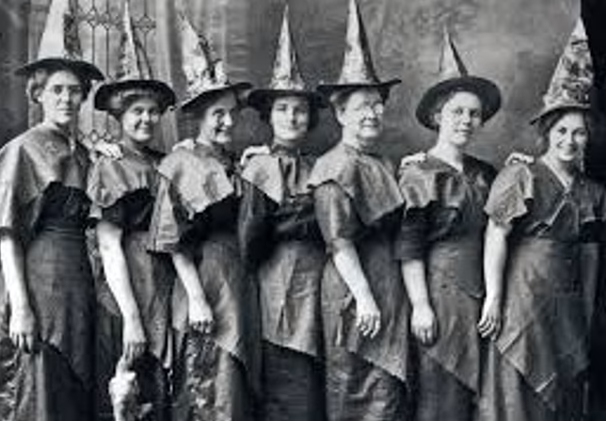
The history of Halloween symbols comes from ancient beliefs and folklore. Witches represent magic and fear of evil, bats connect to darkness and night, and ghosts symbolize spirits of the dead. The Celts and medieval people used these symbols in costumes and rituals to protect themselves from spirits. Today, these symbols appear in decorations, costumes, and Halloween stories.
Why Studying the History of Halloween Helps Us Understand Ancient Rituals
Studying the history of Halloween helps us understand ancient rituals by showing how people honored the dead and celebrated seasonal changes. Celtic and medieval traditions reveal beliefs about spirits, protection, and community. Learning these customs explains the origins of modern Halloween practices like costumes, bonfires, and trick-or-treating.
What Makes Halloween One of the Most Popular Festivals?

Halloween is one of the most popular festivals because it combines fun, creativity, and tradition. People enjoy costumes, parties, and trick-or-treating. The holiday appeals to all ages and allows imagination and play. Media, movies, and decorations make it exciting and widely celebrated worldwide.
The Enduring Legacy of the History of Halloween
The enduring legacy of the history of Halloween lies in its mix of ancient traditions and modern fun. Celtic rituals, Christian influences, and immigrant customs shaped the holiday. People continue to celebrate with costumes, candy, and parties. Halloween keeps its connection to spirits and legends while evolving as a global cultural event.
The History of Halloween: How a Pagan Festival Became a Worldwide Celebration
The history of Halloween shows how a pagan festival became a worldwide celebration. It began with the Celtic festival of Samhain, marking the end of harvest and the return of spirits. Christian traditions blended with Samhain to form All Hallows’ Eve. Immigrants brought these customs to America, where costumes, candy, and parties became popular. Today, Halloween is celebrated globally as a fun and festive holiday.
About the Author