The History of Baozi began 1,800 years ago during a desperate military campaign in ancient China. General Zhuge Liang invented these meat-filled buns to trick a raging river spirit that demanded human sacrifices. He crafted the dough to look like “barbarian heads,” saving his soldiers’ lives while calming the storm through clever deception. This wartime tactic evolved from a symbolic offering into China’s most iconic yeast-leavened comfort food. Today, the pillowy texture and savory fillings represent a rich legacy of cunning strategy and culinary survival. Every bite of this world-famous snack connects you to a shocking ancient mystery that transformed a “severed head” into a global favorite.
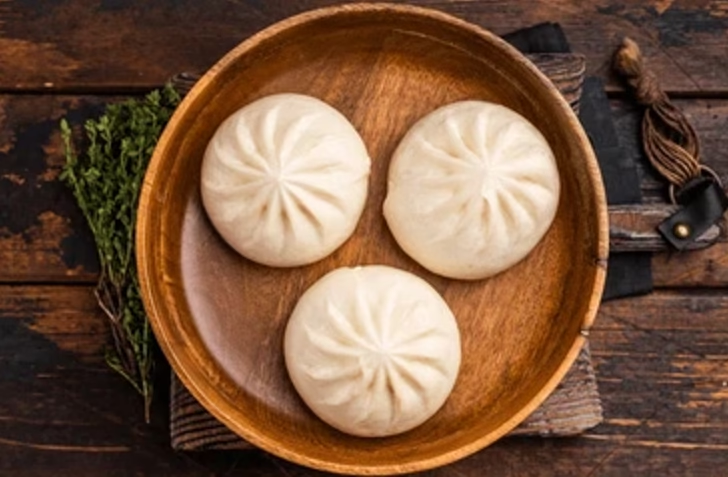
Table of Contents
History of Baozi: How It Got Its Name
The name Baozi (包子) tells its story in just two words. “Bao” (包) means to wrap, and “Zi” (子) refers to a small food item. Together, they describe a bun that hides a filling inside soft dough. The name appeared when people began stuffing steamed bread with meat and vegetables instead of eating it plain. It was simple, clear, and easy to remember. That clarity helped the name spread across China and survive for centuries. Understanding the meaning of Baozi pulls readers deeper into its rich culinary history.
What is the real origin of the word “Bao”?
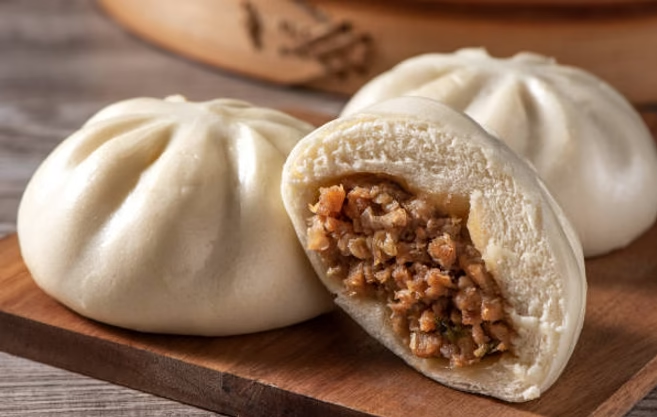
The real origin of the word “Bao” comes from the Chinese verb meaning “to wrap.” While the History of Baozi started with the name “Mantou” or “barbarian head,” the language shifted during the Song Dynasty. Chefs began using “Bao” to describe the specific act of folding dough around a savory filling. This name change helped diners distinguish between plain steamed bread and these new, stuffed delicacies. Today, the name perfectly describes the iconic “wrapped” bundle that holds a world of flavor inside.
The Military Genius Who Invented the Steamed Bun
General Zhuge Liang is the military genius who invented the steamed bun during the 3rd century. According to the History of Baozi, this brilliant strategist needed to cross a dangerous river after a long war campaign. Local spirits allegedly demanded the sacrifice of forty-nine soldiers’ heads to calm the waters. Zhuge Liang refused to kill his men and instead ordered his cooks to wrap meat in dough to mimic human heads. He threw these “fake heads” into the river, successfully tricking the spirits and saving his army. This clever wartime deception transformed a gruesome myth into the delicious, fluffy buns we enjoy globally today.
Why were early buns shaped like human heads?
Early buns looked like human heads to save lives during a terrifying river crossing. In the History of Baozi, ancient legends say a violent river spirit demanded forty-nine human sacrifices to allow an army to pass. General Zhuge Liang refused to kill his loyal soldiers and instead designed a clever trick. He ordered his cooks to shape wheat dough into large, round spheres that resembled human heads. He stuffed these buns with meat and threw them into the water to deceive the spirits. This “barbarian head” shape successfully fooled the gods and sparked the birth of the world’s most famous steamed snack.
From Ritual Sacrifice to a Global Street Food Phenomenon
A terrifying ritual sacrifice transformed into a global street food phenomenon over nearly two millennia. This journey began on a battlefield where dough “heads” replaced human lives to appease angry river gods. Merchants then carried these steaming baskets from military camps to the royal kitchens of the Tang Dynasty. The Silk Road eventually spread the recipe across borders, allowing every culture to add its own local flavors. Today, these fluffy buns have conquered the world, appearing in high-end restaurants and busy street corners from New York to Tokyo. This evolution proves how a clever survival tactic became one of the most beloved snacks on the planet.
How did Baozi travel along the Silk Road?
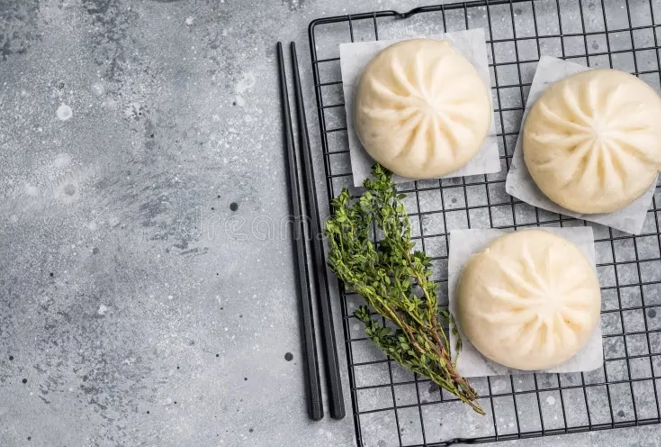
Traders and nomadic tribes carried the secret of steamed dough across the ancient Silk Road. These travelers needed portable, filling meals that could survive long desert journeys between bustling trade hubs. As caravans moved from China into Central Asia, they shared steaming techniques with local cultures. These groups adapted the recipe by using regional ingredients like mutton and local spices to suit their tastes. This migration transformed the original snack into famous international cousins like the Turkic manti and Mongolian buuz. Today, the widespread popularity of these buns serves as a delicious map of ancient global trade routes.
The Tang Dynasty: When Stuffing Changed Everything
Culinary creativity exploded during the Tang Dynasty as China became a global center for trade and art. Chefs moved beyond simple dough and began experimenting with luxurious fillings like fatty pork, sweet bean paste, and seasonal vegetables. This era transformed a plain military ration into a sophisticated delicacy served at royal banquets. These innovations allowed the snack to diversify into the hundreds of regional styles we see today. Every bite reflects the prosperity and rich food culture of this golden age in Chinese history.
What is the difference between Mantou and Baozi?
The main difference between Mantou and Baozi lies in the hidden treasure inside the dough. Mantou refers to a plain, pillowy steamed bun that serves as a staple bread for dipping or side dishes. In contrast, Baozi features a savory or sweet filling wrapped tightly inside that same fluffy exterior. While they share the same ancient DNA and steaming process, the presence of a core ingredient transforms the snack’s name and purpose. Think of Mantou as the versatile foundation and its counterpart as the complete, stuffed meal. This simple distinction defines how millions of people choose their breakfast every single day.
Regional Masterpieces: From Cantonese Char Siu to Shanghai Soup Buns
Regional masterpieces transform the History of Baozi into a diverse culinary map of China. In the south, Cantonese Char Siu Bao features a signature “cracked” top and a sweet, smoky barbecue pork filling that defines the dim sum experience. Meanwhile, Shanghai’s famous Xiao Long Bao offers a delicate, thin-skinned miracle filled with rich, savory soup that melts upon steaming. From the eighteen precise folds of Tianjin’s Goubuli to the hearty, meat-heavy buns of the north, every city adds a unique local twist to this ancient recipe. These regional variations prove that while the steaming technique remains the same, the flavors capture the distinct soul of every Chinese province.
Why is the pleat count so important for a perfect bao?
The pleat count is the ultimate mark of craftsmanship and determines the perfect texture of your bun. In traditional Chinese baking, skilled chefs aim for a specific number of folds—often exactly eighteen in the famous Tianjin style—to ensure the dough seals perfectly without becoming too thick at the top. These precise ridges create a beautiful “chrysanthemum” shape that allows the steam to circulate evenly, preventing the bun from becoming soggy or collapsing. A high pleat count balances the ratio of fluffy bread to juicy filling, ensuring every bite is consistent. Mastering this delicate fold is what separates a simple snack from a culinary masterpiece.
The Secret Science Behind the Fluffy Yeast Dough
The secret science behind the fluffy dough lies in the perfect balance of steam and fermentation. Unlike baked bread, this dough uses low-protein flour to create a soft, cloud-like texture that resists toughness. Active yeast consumes sugars in the flour to release carbon dioxide, which creates thousands of tiny air pockets inside the bun. During the steaming process, the high heat expands these bubbles instantly while the moisture keeps the exterior silky and white. This precise chemical reaction ensures the bread remains pillowy and light instead of dense or chewy. Mastering this temperature control is the key to achieving that signature melt-in-your-mouth experience.
Is there a “right” way to eat a soup-filled Xiao Long Bao?
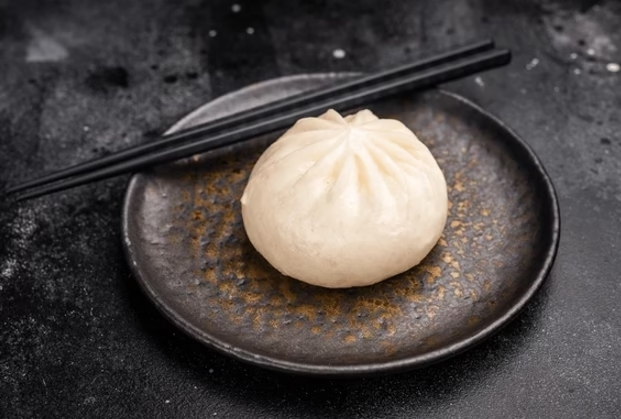
Eating a soup-filled Xiao Long Bao requires a precise technique to avoid a messy explosion or a burnt mouth. First, lift the delicate bun by its pleated tip and place it onto a deep ceramic spoon. Poke a small hole in the side of the dough to release the hot steam and let the savory broth pour out into the spoon. Sip the soup slowly to enjoy the rich flavor before adding a sliver of ginger and a dash of black vinegar. Finally, eat the remaining bun in one delicious bite to experience the perfect blend of tender meat and soft dough. This ritual ensures you enjoy every drop of liquid gold without losing the integrity of the masterpiece.
Empress Cixi and the Famous Goubuli Baozi Legend
Empress Cixi helped turn Goubuli Baozi into a legend. The story says she tasted the buns during a trip outside the Forbidden City and loved them at first bite. The juicy filling and soft dough stood out from ordinary steamed buns. She praised the flavor, and word spread fast through the Qing court. That moment gave Goubuli Baozi instant fame. The legend still draws readers who want to know how a simple street bun won imperial approval.
The 18-Pleat Masterpiece
The secret to the Empress’s favorite bun was its incredible craftsmanship. Each bun must have exactly 18 pleats to be considered an authentic Goubuli. This isn’t just for looks; the precise folding creates a uniform dough thickness that allows the steam to cook the meat perfectly.
| Feature | Description |
| Founder | Gao Guiyou (Nickname: Gouzi) |
| Origin Year | 1858 (Qing Dynasty) |
| Signature Look6 | Exactly 18 folds on top7 |
| Famous Fan | Empress Dowager Cixi |
How has the History of Baozi influenced Japanese Nikuman?
The History of Baozi crossed the sea to Japan and transformed into the beloved winter snack known as Nikuman. While the original Chinese recipe arrived centuries ago with monks and merchants, it significantly evolved during the Meiji Restoration when meat-eating became popular. Japanese chefs adjusted the traditional spice profile, using lighter seasonings like soy sauce and mirin to better suit local palates. They also created a softer, slightly sweeter dough that contrasts beautifully with the savory pork filling. Today, this cultural exchange lives on in every Japanese convenience store, where you can find unique local variations like pizza-man and curry-man alongside the classic steamed original.
Vegetarian Delights: The Evolution of Meatless Fillings
Vegetarian fillings evolved from ancient temple rituals to become a centerpiece of modern healthy eating. Early Buddhist monks in China created these meatless options to follow strict religious dietary laws while maintaining the tradition of the steamed bun. They pioneered the use of protein-rich ingredients like firm tofu, dried shiitake mushrooms, and savory fermented bean pastes to mimic the texture of meat. Today, these green alternatives feature vibrant combinations of bok choy, glass noodles, and wood ear mushrooms to satisfy a global demand for plant-based nutrition. This shift from religious necessity to a trendy superfood proves that these fluffy bundles can deliver incredible flavor without any animal products.
Why do we eat baozi for breakfast in modern China?
Modern China embraces these steamed buns for breakfast because they offer the ultimate balance of speed, nutrition, and portability. Busy commuters rely on these hot snacks as a complete “handheld meal” that combines protein, vegetables, and carbohydrates in one easy-to-carry package. Street vendors and convenience stores serve them instantly from stacked bamboo steamers, making them faster than any Western fast-food alternative. The gentle steaming process also provides a warm, easily digestible start to the day that aligns with traditional Chinese health beliefs. This combination of ancient tradition and modern convenience makes the morning bun an essential part of the daily urban grind.
The Art of Bamboo Steaming: Why Wood Matters
Bamboo steaming is the secret weapon for achieving the perfect texture and a delicate, woody aroma. Unlike metal pots, bamboo absorbs excess moisture during the cooking process to prevent water from dripping onto the dough and making it soggy. The porous wood allows steam to circulate evenly through stacked layers, ensuring every bun cooks at the exact same rate. Natural bamboo also infuses the bread with a faint, earthy fragrance that enhances the overall flavor profile. This ancient tool remains the gold standard because it regulates heat perfectly while maintaining the ideal humidity for a soft, pillowy finish.
Can you make authentic baozi in a modern kitchen?
You can make authentic baozi in a modern kitchen. You do not need special tools or traditional setups. Simple ingredients and the right technique matter most. Soft dough comes from proper kneading and resting. A balanced filling brings real flavor and texture. A regular steamer works just fine on a home stove. Once you master these basics, homemade baozi taste just like the originals and invite you to explore more.
Traditional Holiday Customs: When Baozi Becomes a Symbol of Luck
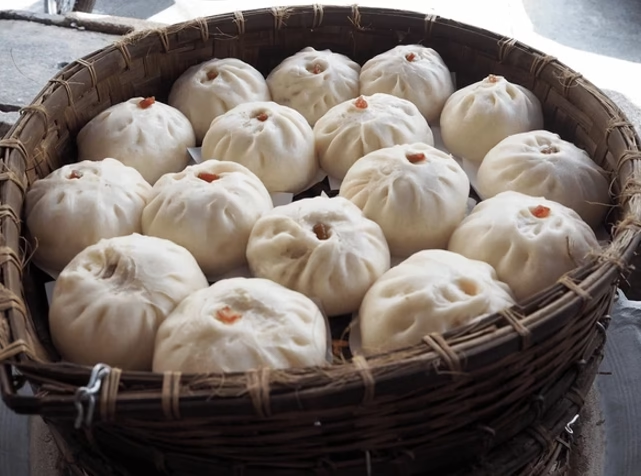
Traditional holidays transform these steamed buns into powerful symbols of prosperity and family unity. During the Lunar New Year, many families prepare large batches of “lucky” buns to represent a full and wealthy life for the coming year. The round shape symbolizes wholeness and the “gathering” of family members, while the rising dough represents a literal rise in fortune and status. In some regions, people hide a clean coin or a sweet date inside a single bun to grant extra good luck to the person who finds it. These festive customs prove that the snack is much more than a meal; it is a delicious wish for a successful future.
What does the future look like for fusion bao flavors?
The future of fusion flavors is shifting toward “chaos cooking” and bold, cross-cultural mashups that push the boundaries of tradition. In 2026, innovative chefs are moving beyond standard fillings to experiment with “swicy” combinations, like hot honey fried chicken or spicy Korean bulgogi with tangy kimchi slaw. You will increasingly see global street food influences appearing inside the classic fluffy dough, from Mexican-style carnitas to Indian-inspired achari keema. Even dessert menus are evolving with indulgent twists like matcha-infused cream, salted caramel, or ube custard. This experimental era proves that the ancient steamed bun has become a versatile canvas for the most daring and creative flavors in modern gastronomy.
Summary: Why This Ancient Snack Still Dominates Global Cuisine
The History of Baozi continues to dominate global cuisine because it perfectly blends ancient tradition with modern versatility. This ancient snack survived for nearly two thousand years by adapting to the local tastes of every culture it touched along the Silk Road. Its clever design provides a portable, self-contained meal that fits the fast-paced lifestyle of today’s urban commuters. From traditional pork fillings to daring fusion experiments, the soft dough serves as a universal canvas for culinary creativity. This enduring popularity proves that a simple, steamed bun remains one of the most successful food designs in human history.
About the Author