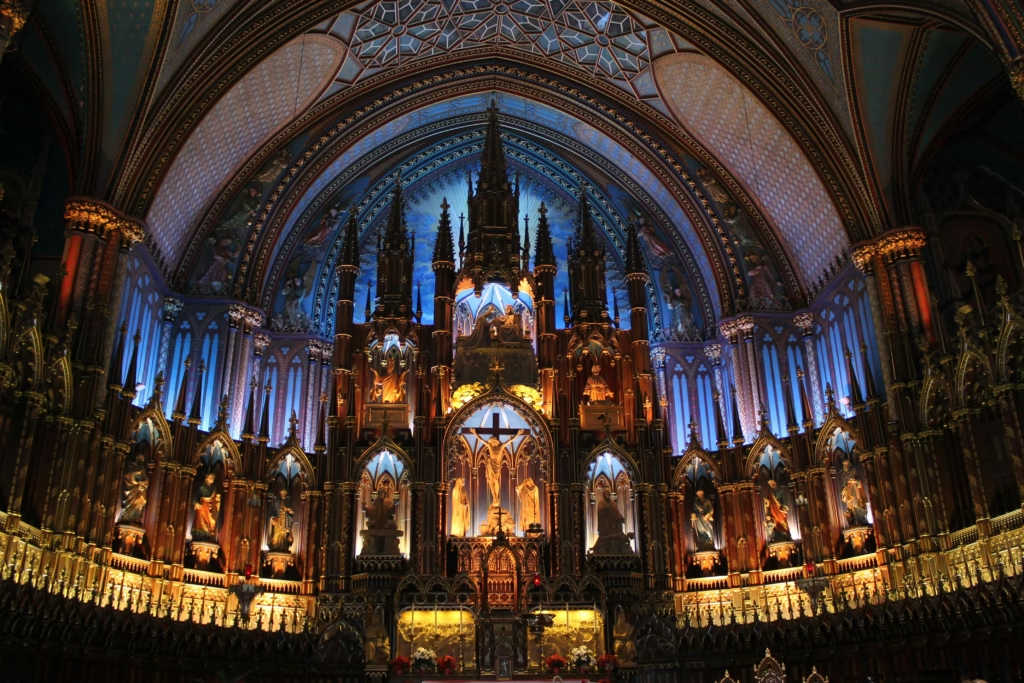
Table of Contents
A Journey Through Time: How Notre-Dame Cathedral Became the Soul of Paris
Notre-Dame Cathedral became the soul of Paris through its deep connection to the city’s history, culture, and faith. Built in the 12th century, it stood as a symbol of unity for Parisians for over 850 years. Kings were crowned, and national events were celebrated there. Its stunning Gothic design, stained-glass windows, and twin towers made it a center of art and architecture. Even after the 2019 fire, Notre-Dame continues to represent hope, resilience, and the enduring spirit of Paris.
Who Built the Notre-Dame Cathedral and Why?
Bishop Maurice de Sully began building Notre-Dame Cathedral in 1163 during the reign of King Louis VII. He wanted to create a grand church that showed the power of Christianity in Paris. Many architects and workers helped build it over almost 200 years. The goal was to honor the Virgin Mary and make Paris a center of faith and culture in medieval France. #NotreDame #ParisHistory #GothicArchitecture #Cathedral #FrenchHeritage
The Rise of Gothic Grandeur: Inside the Architectural Genius of Notre-Dame
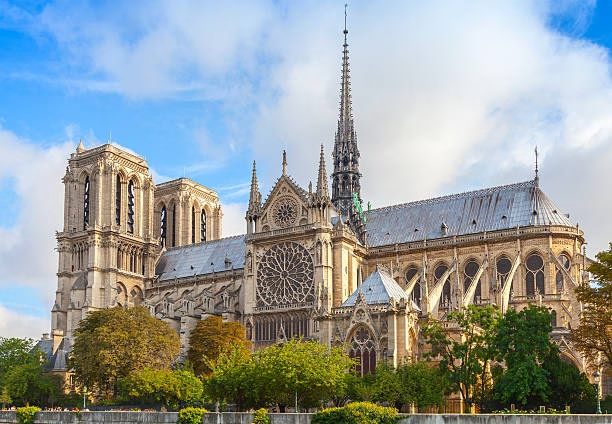
Notre-Dame Cathedral shows the true beauty of Gothic architecture. Builders used pointed arches, ribbed vaults, and flying buttresses to make the walls taller and stronger. Large stained-glass windows filled the church with colorful light and told biblical stories. Every detail, from the statues to the towers, reflected both faith and skill. This design made Notre-Dame a masterpiece of medieval engineering and a symbol of Gothic grandeur. #NotreDame #GothicArchitecture #ParisHistory #CathedralDesign #FrenchHeritage
What Makes Notre-Dame Cathedral a Masterpiece of Gothic Art?
Notre-Dame Cathedral is a masterpiece of Gothic art because of its perfect mix of beauty, balance, and innovation. Its pointed arches, flying buttresses, and tall spires show great engineering skill. The rose windows glow with colorful light and tell sacred stories. Sculptures on the facade bring the Bible to life. Every part of the cathedral reflects faith, art, and craftsmanship that defined Gothic architecture. #NotreDame #GothicArt #Cathedral #ParisLandmark #FrenchHeritage
From Medieval Marvel to Modern Icon: The Evolution of Notre-Dame
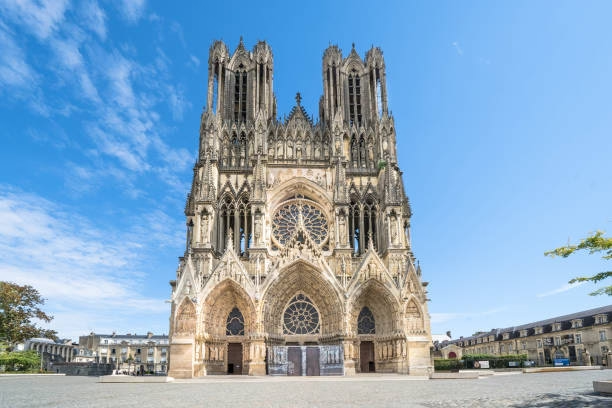
Notre-Dame Cathedral began as a medieval marvel in the 12th century and became a modern icon over time. It changed through restorations and survived wars, revolutions, and a major fire. The cathedral inspired art, literature, and tourism worldwide. Victor Hugo’s novel helped renew interest and led to its 19th-century restoration. Today, Notre-Dame stands as a bridge between France’s past and present, symbolizing faith and resilience. #NotreDame #ParisHistory #Cathedral #FrenchCulture #GothicArchitecture
The 2019 Fire: A Turning Point in Notre-Dame’s Story
The fire of 2019 destroyed Notre-Dame’s roof and spire, leaving the cathedral damaged but still standing. It changed the structure and required major restoration work. Many artworks and relics were saved, but some historic parts were lost forever. The fire increased global awareness of Notre-Dame’s importance and inspired efforts to rebuild it. #NotreDameFire #ParisCathedral #Restoration #GothicArchitecture #FrenchHeritage
The Untold Story Behind the Construction of Notre-Dame Cathedral
Notre-Dame Cathedral took nearly 200 years to build, starting in 1163 under Bishop Maurice de Sully. Architects and craftsmen used new Gothic techniques like flying buttresses and ribbed vaults. Workers carved stone, created stained glass, and added sculptures to tell biblical stories. The construction reflected both faith and the city’s growing power. #NotreDame #CathedralConstruction #GothicArchitecture #ParisHistory #FrenchHeritage
Why Is Notre-Dame Cathedral So Important to French History?
The history of Notre-Dame Cathedral is tied to French identity because it stood at the heart of France’s most defining moments. Kings, revolutions, wars, and national celebrations all unfolded around its walls. The cathedral watched France change while remaining a symbol of unity and strength. Its survival through destruction and rebuilding mirrors the resilience of the French people. Notre-Dame is more than a church—it represents the soul of France and its shared past.
Hidden Symbols and Meanings Carved Into Stone
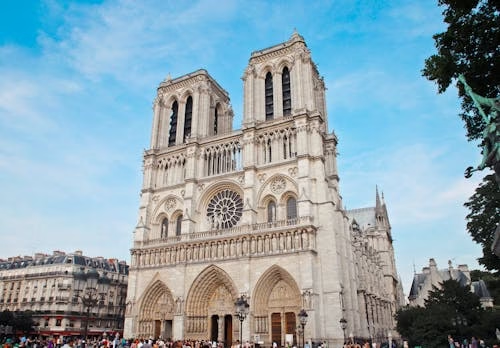
Hidden symbols and meanings carved into stone give Notre-Dame its deeper mystery. Sculptors filled the cathedral with signs of faith, warnings, and hope. Gargoyles, saints, and biblical scenes taught stories to people who could not read. Every figure had a purpose and a message. Some carvings showed virtue, while others warned against sin. These stone details turn the cathedral into a silent storyteller waiting to be explored.
How Fires, Revolutions, and Wars Tested Notre-Dame’s Survival
Fires, revolutions, and wars pushed Notre-Dame to the edge of destruction many times. The French Revolution damaged statues and stripped the cathedral of treasures. Wars left scars and threats of ruin. The 2019 fire shocked the world and reminded people how fragile history can be. Each disaster tested Notre-Dame’s strength. Every time, it survived and rose again as a symbol of endurance.
The Role of Notre-Dame in Royal Ceremonies and National Events
Notre-Dame played a central role in royal ceremonies and national events for centuries. Kings attended grand services there to show power and faith. The cathedral hosted coronations, royal weddings, and funerals that shaped French history. Major national moments brought people together inside its walls. These events turned Notre-Dame into more than a church. It became a stage for France’s most important milestones.
What Victor Hugo Did to Save Notre-Dame From Ruin
Victor Hugo saved Notre-Dame from ruin by bringing it back into public attention. In 1831, he wrote The Hunchback of Notre-Dame, which showed the cathedral’s beauty and neglect. The novel moved readers and sparked national outrage over its condition. Public support grew fast and demanded action. This led to major restoration efforts that rescued the cathedral. Hugo proved that words could protect history.
Art, Relics, and Treasures Found Inside the Cathedral
Notre-Dame holds priceless art, sacred relics, and historic treasures within its walls. Stained glass windows, including the famous rose windows, fill the space with light and color. Ancient sculptures and paintings tell stories of faith and history. Sacred relics, such as the Crown of Thorns, draw visitors from around the world. Each item adds meaning and mystery. Together, they make the cathedral a living museum of belief and art.
How the Famous Bells of Notre-Dame Shaped Its Legacy
The famous bells of Notre-Dame shaped its legacy by giving the cathedral a powerful voice. Their sound marked victories, losses, and moments of prayer across Paris. The bells called people together in times of joy and crisis. They became symbols of warning, hope, and unity. Stories and legends made them even more famous. Through centuries of ringing, the bells turned Notre-Dame into a living presence in the city.
How Restoration Efforts Brought the World Together
Restoration efforts brought the world together by turning loss into shared purpose. After the devastating fire, people from many countries offered support, skills, and donations. Architects, artists, and craftsmen united to rebuild what history nearly lost. Millions followed the progress with hope and pride. The project became a symbol of global unity. Notre-Dame showed how heritage can connect people beyond borders.
The History of Notre-Dame Cathedral Through Architecture Changes
The history of Notre-Dame Cathedral shows clear changes through its architecture. Builders started with early Gothic design and pushed new ideas in height and light. Later centuries added flying buttresses, stained glass, and detailed sculptures. Damage and restoration also changed its look over time. Each update reflects the era that touched it. The cathedral stands today as a record of centuries of design and belief.
Why Notre-Dame Remains a Symbol of Faith and Resilience
Notre-Dame remains a symbol of faith and resilience because it has survived centuries of challenges. Wars, revolutions, and fires could not destroy its spirit. People have continuously restored and protected it, showing devotion and care. The cathedral stands as a place of worship, history, and hope. Its endurance inspires millions and reminds the world of human perseverance.
What Many Visitors Still Don’t Know About Notre-Dame
Many visitors still don’t know that Notre-Dame is full of hidden details and stories. Gargoyles, secret staircases, and tiny carvings often go unnoticed. Some relics and treasures remain behind closed doors. The cathedral also holds secrets about its construction and restorations over centuries. Exploring it reveals layers of history beyond its famous façade. These hidden gems make every visit a chance to discover something new.
How Notre-Dame Influenced Churches Across Europe
Notre-Dame influenced churches across Europe by setting a new standard for Gothic architecture. Its soaring arches, flying buttresses, and large stained glass windows inspired builders in France, England, and beyond. Many cathedrals copied its style to create light-filled, grand spaces. Sculptures and decorative details also became a model for artisans elsewhere. Notre-Dame’s design spread ideas of beauty, engineering, and faith, shaping European church architecture for centuries.
What the Future Holds for This Timeless Monument
The future of Notre-Dame Cathedral holds hope, restoration, and renewed purpose. After the 2019 fire, experts and craftsmen are carefully rebuilding it to preserve its history. Modern technology helps restore details while keeping the original spirit intact. Plans include reopening it to the public and continuing its role as a place of worship and culture. Notre-Dame will stand for generations, inspiring faith, art, and history long into the future.
About the Author